 Pin It
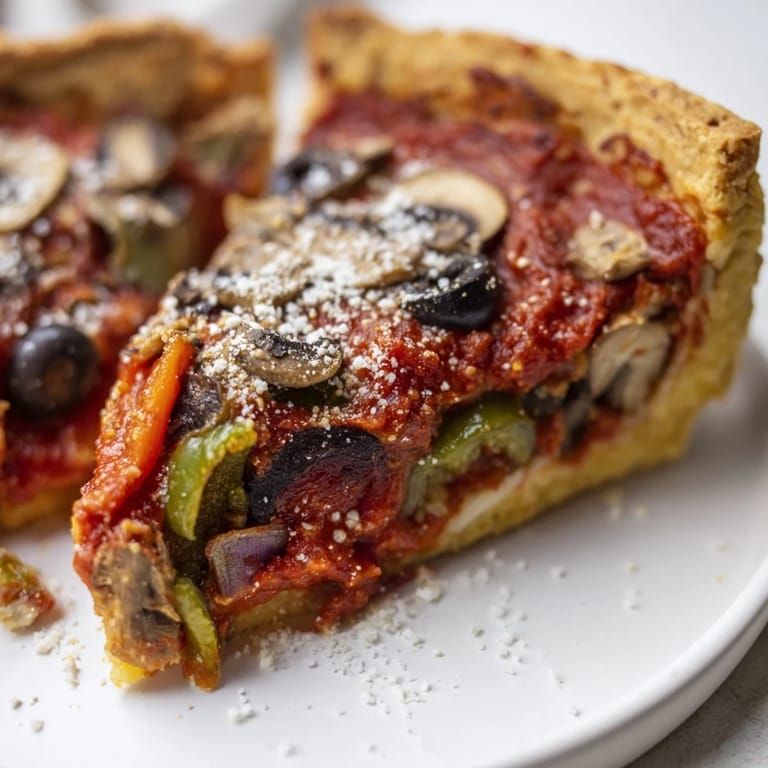
 My tiny apartment kitchen felt like a pizza laboratory that winter when I decided to tackle authentic Chicago deep dish. The dough kept creeping up the sides of my springform pan, and I remember laughing at how absurdly thick it looked compared to the thin New York slices I grew up on. That first attempt came out of the oven with cheese bubbling up through the sauce in the most magnificent way. I called my best friend immediately to come over, and we ate standing up at the counter because neither of us could wait for it to cool properly.
I made this for my dads birthday last year, and he took one look at the inverted construction cheese first, then sauce and declared I had confused the recipe. Watching his face change when I explained thats how deep dish works, then seeing him go back for a third slice, remains one of my favorite kitchen victories. The whole family spent the rest of the night debating proper pizza architecture.
Ingredients
- 3 1/4 cups all-purpose flour: The structure holding up all that glorious topping weight, bread flour gives even more chew
- 1/2 cup yellow cornmeal: This is the secret to that signature Midwest crunch and golden color
- 1 1/4 teaspoons salt: Dont skimp here, the thick crust needs proper seasoning
- 2 1/4 teaspoons active dry yeast: One standard packet works perfectly for this amount of flour
- 1 1/4 cups warm water: Think bath temperature, about 110°F, anything hotter kills the yeast
- 1/4 cup olive oil: Creates tenderness in the dough and helps achieve that signature deep dish texture
- 2 tablespoons unsalted butter melted: Brushed into the pan for that crispy, restaurant style edge
- 3 cups shredded mozzarella cheese: Low moisture part skim mozzarella prevents a soggy crust situation
- 1/2 cup grated Parmesan cheese: Sprinkled on top for that final salty finish
- 1/2 cup pepperoni or sausage: The Midwest classic addition, though mushrooms and peppers work beautifully too
- 2 tablespoons olive oil: For sautéing the garlic into the sauce base
- 3 cloves garlic minced: Fresh garlic makes all the difference in the simple sauce
- 1 can crushed tomatoes: Whole tomatoes crushed by hand give the best chunky texture
- 1 teaspoon dried oregano: The backbone of that pizzeria flavor profile
- 1 teaspoon dried basil: Complements the oregano without overpowering the tomatoes
- 1/2 teaspoon sugar: Just enough to balance the acidity of the tomatoes
- Salt and pepper: Taste your sauce, then adjust, then taste again
Tired of Takeout? 🥡
Get 10 meals you can make faster than delivery arrives. Seriously.
One email. No spam. Unsubscribe anytime.
Instructions
- Wake up the yeast:
- Dissolve yeast in warm water and wait five minutes until it forms a foamy layer on top, this tells you its alive and ready to work.
- Mix the dough:
- Combine flour, cornmeal, and salt in a bowl, then add the yeast mixture along with olive oil and melted butter until everything comes together.
- Knead until smooth:
- Work the dough on a floured surface for 5 to 7 minutes until it feels silky and bounces back when you press it.
- Let it rise:
- Place dough in an oiled bowl, cover it, and walk away for an hour until its doubled in size.
- Build the sauce:
- Sauté garlic in olive oil for one minute, stir in crushed tomatoes with herbs and sugar, then simmer for 20 minutes while the dough rises.
- Prep your pan:
- Heat your oven to 425°F and generously grease a deep dish pan or cake pan with olive oil.
- Shape the crust:
- Press dough into the pan and work it up the sides to create that iconic deep dish edge.
- Layer it up backward:
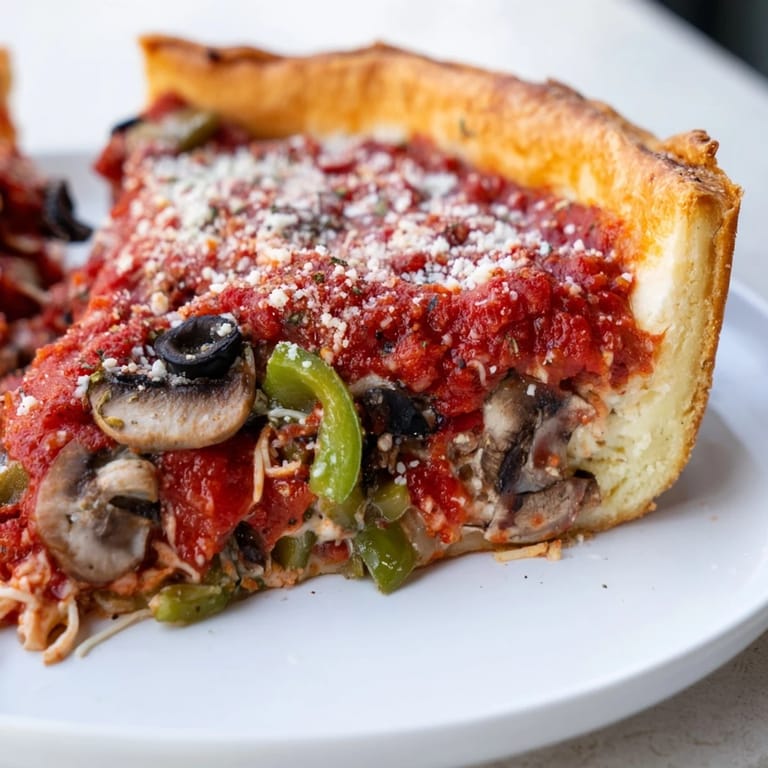
- Sprinkle mozzarella first, then add your toppings, and finish with sauce ladled over everything.
- Bake until golden:
- Cook for 35 to 40 minutes until the crust is deeply golden and sauce bubbles up through the cheese.
- The hardest part:
- Let the pizza rest for 10 minutes before slicing, or everything will slide right off the crust.
 Pin It
 My neighbor smelled this baking through our shared wall and knocked on my door with a hopeful look in her eyes. We ended up eating together and trading pizza stories for hours, proving that deep dish builds community just as effectively as it builds appetite.
The Art of Pan Selection
I learned the hard way that a standard pizza pan simply wont contain this magnificent beast. A springform pan or even a round cake pan with high sides works beautifully, and I have even made individual versions in ramekins for dinner parties. The key is having something deep enough to hold all those layers without bubbling over in your oven.
Make Ahead Magic
The dough actually develops better flavor when it rises slowly in the refrigerator overnight. I like to make a double batch, freeze half of the dough for emergency pizza situations, and keep the sauce ready in a jar in the refrigerator. Weeknight deep dish becomes entirely possible with just a tiny bit of weekend preparation.
Perfecting Your Technique
Press the dough thin at the bottom but keep the sides substantial to hold everything in place. Use the back of a spoon to spread the sauce without disturbing the cheese layer underneath. If your crust browns too quickly, tent the edges with foil for the last 10 minutes of baking.
- A pizza stone makes the bottom crust even crisper if you preheat it for 30 minutes
- Let the sauce cool slightly before assembling so it does not melt the cheese too fast
- Room temperature ingredients help the dough rise more predictably
 Pin It
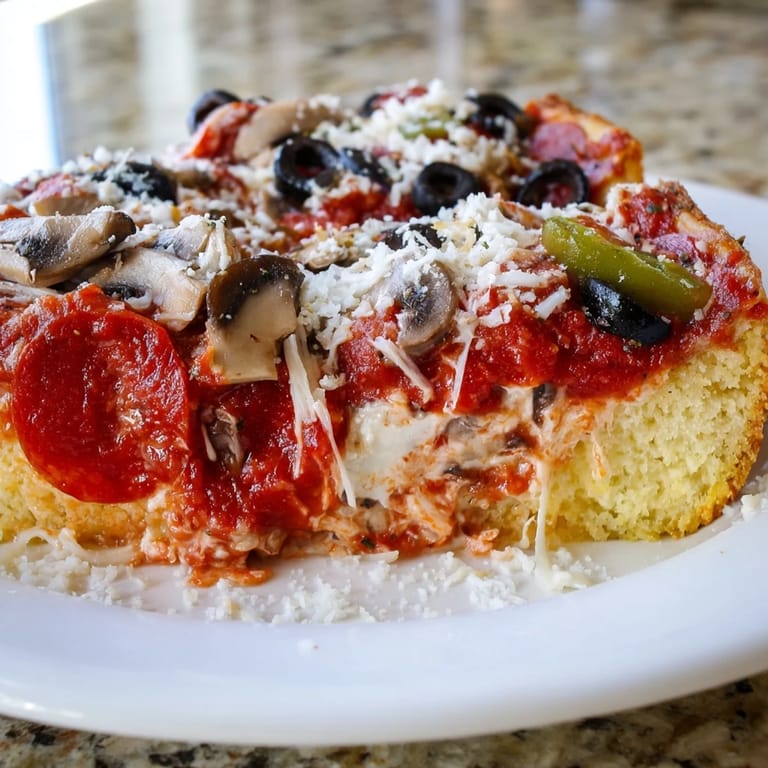
 Theres something deeply satisfying about serving this to skeptics and watching them convert to the deep dish way of thinking. Hope your kitchen is filled with the same incredible smells as mine was that first experimental night.
Recipe FAQs
- → What makes Chicago deep dish different from regular pizza?
Chicago deep dish features a thick, buttery crust pressed up the sides of a deep pan, creating a high edge. Unlike traditional pizza, toppings and cheese are layered first, with sauce added on top. The result is a hearty, pie-like pizza that requires longer baking time and benefits from resting before serving.
- → Why is the sauce put on top of deep dish pizza?
The sauce goes on top to prevent the thick crust from becoming soggy during the longer baking time required. This technique, along with layering cheese directly on the dough, ensures the crust stays crisp while the toppings cook through evenly.
- → How long should I let the dough rise?
Let the dough rise for approximately 1 hour, or until it has doubled in size. This rising time is crucial for developing the thick, airy texture that characterizes authentic deep dish crust. A warm, draft-free area works best for proper rising.
- → Can I make this pizza vegetarian?
Absolutely. Simply omit the pepperoni or Italian sausage and load up on vegetables like mushrooms, bell peppers, black olives, spinach, or onions. The combination of mozzarella and Parmesan provides plenty of savory richness without any meat.
- → Why is resting important before slicing?
Resting for 10 minutes allows the layers to set and the cheese to firm slightly. This ensures clean slices and prevents the toppings from sliding off when cut. The brief resting time also makes the pizza easier to handle and serve.