 Pin It
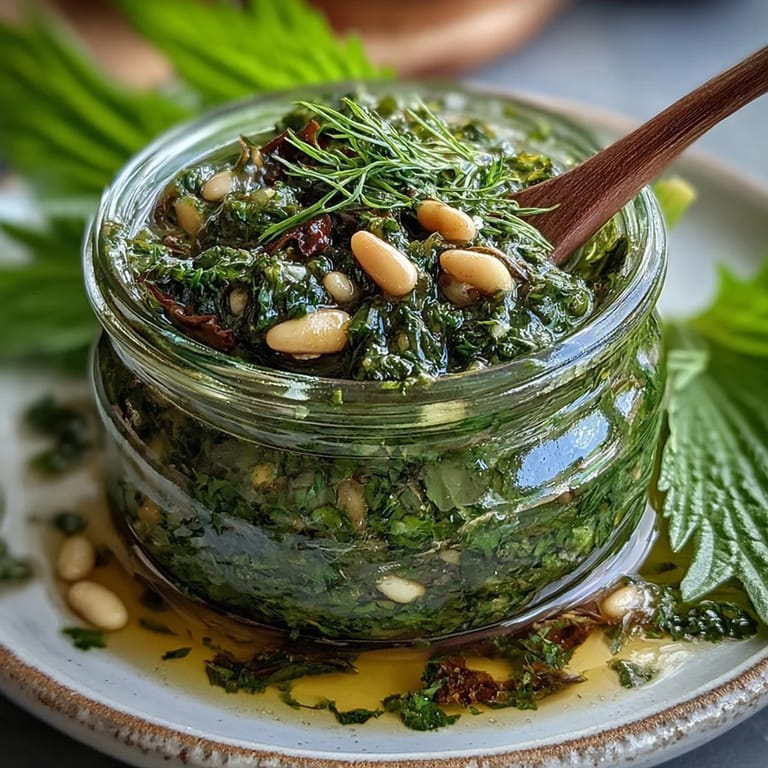
 My neighbor handed me a bag of dandelion greens one spring morning, insisting they were better than any store-bought herb. I was skeptical until I toasted those pine nuts and caught the smell—suddenly the whole kitchen smelled like possibility. That first batch of pesto was nothing like the sad jars I'd been buying, and I realized I'd been missing out on something genuinely special hiding in plain sight.
I made this for a potluck last April when everyone else brought the expected salads and casseroles. Someone spread it on a piece of bread, took one bite, and their eyes actually widened. Within an hour, I was fielding requests for the recipe and promising to make it again.
Ingredients
- Fresh dandelion greens: Two cups loosely packed—they're more assertive than basil, so don't be shy, and wash them well since they grow close to the ground.
- Fresh basil leaves: Half a cup optional, but it softens the dandelion's bite if you're introducing someone to this flavor for the first time.
- Pine nuts: A third cup toasted until golden, because raw pine nuts are meek and miss the point entirely.
- Freshly grated Parmesan cheese: Half a cup, and please grate it yourself—the pre-shredded stuff has anti-caking agents that get in the way.
- Garlic cloves: Two large ones, which might seem like a lot until you remember this is fighting for flavor against genuinely strong greens.
- Extra-virgin olive oil: Half a cup, and this one matters—cheap oil will make the whole thing taste flat and forgettable.
- Lemon juice: From half a lemon, a crucial brightness that stops the pesto from tasting muddy.
- Kosher salt and black pepper: Half a teaspoon and a quarter teaspoon respectively, though you'll taste as you go and probably adjust.
Tired of Takeout? 🥡
Get 10 meals you can make faster than delivery arrives. Seriously.
One email. No spam. Unsubscribe anytime.
Instructions
- Toast the pine nuts first:
- Put them in a dry skillet over medium heat and stir constantly for two to three minutes until they're golden and smell toasted. Let them cool because hot nuts will make your pesto warm and oily.
- Combine the base flavors:
- Dump the dandelion greens, basil if you're using it, garlic, toasted nuts, and cheese into a food processor and pulse until everything is finely chopped. You're not making a paste yet, just breaking things down.
- Stream in the oil slowly:
- With the processor running, pour in the olive oil and lemon juice gradually while the blades are turning. This emulsifies everything into something smooth and cohesive instead of chunky and separated.
- Season and taste:
- Add salt and pepper, pulse to combine, then actually taste it before you finish. Dandelion greens vary in bitterness, so you might need more lemon or salt to balance things.
- Store it properly:
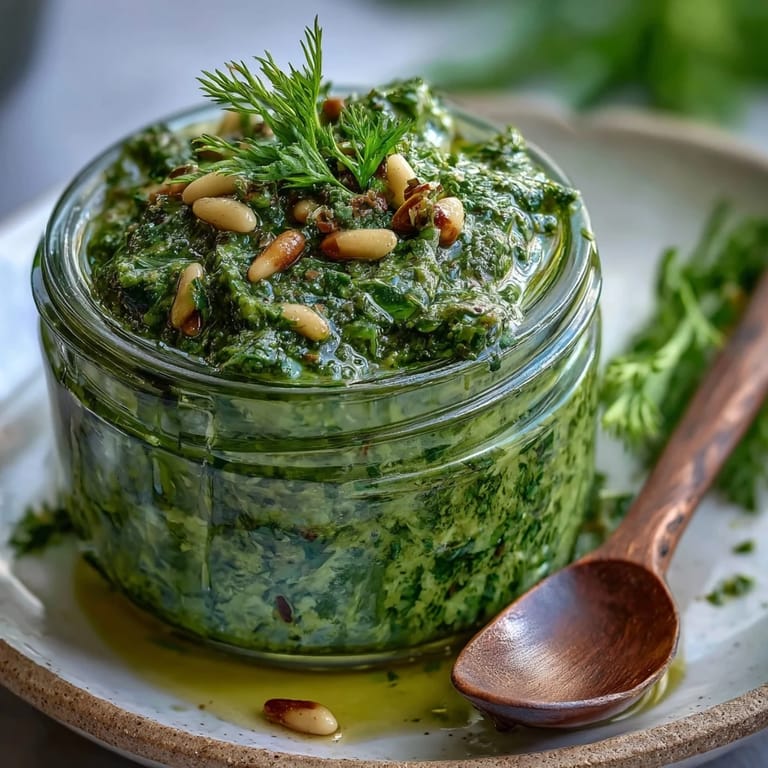
- Transfer to a clean jar and keep it in the refrigerator covered for up to a week, though it's honestly best enjoyed fresh.
 Pin It
 My daughter, who usually pushes vegetables to the side of her plate, came home from school and immediately asked if there was any pesto left. That's when I knew this wasn't just another recipe, it was something that actually changed how people thought about eating greens.
When to Use This Pesto
Toss it with warm pasta and let the heat wake up all the flavors, or spread it thick on toast with a fried egg for breakfast that tastes like you're cooking intentionally. It's also extraordinary over roasted vegetables, swirled into soups right before serving, or even used as a sandwich spread to make ordinary lunch feel sophisticated.
Why Dandelion Greens Matter
Most of us think of dandelions as weeds, but they're actually nutritional powerhouses that taste better than their reputation suggests. They have this mineral-forward, slightly peppery quality that makes them so much more interesting than spinach for a pesto, and once you experience the difference, you'll wonder why nobody told you sooner.
Getting the Texture Right
The food processor does the heavy lifting here, but the key is stopping before you overprocess into an oily puddle. You want something with just enough texture that you can still identify the components, but smooth enough to spread or drizzle easily.
- If it seems too thick, loosen it with another tablespoon of olive oil rather than trying to blend it more.
- If it's too thin, you either streamed in the oil too fast or used smaller greens than expected—add another tablespoon of grated cheese to bring it back.
- Taste constantly during seasoning because pine nuts and dandelion greens are strong flavors that need confident seasoning to shine.
 Pin It
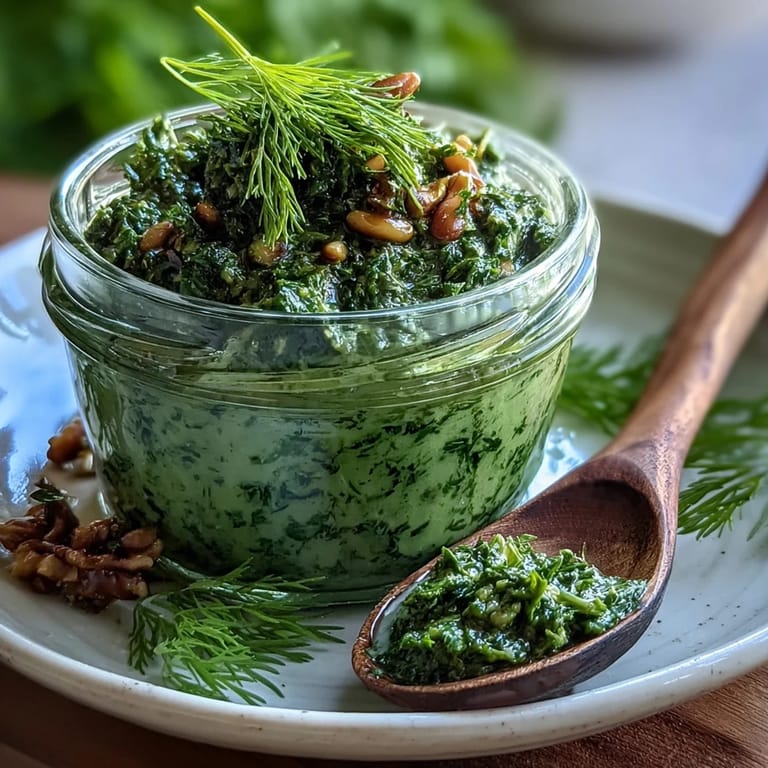
 This pesto is proof that the best recipes often come from paying attention to what's available rather than following what's expected. Once you make it, you'll understand why my neighbor insisted so firmly that afternoon.
Recipe FAQs
- → Can I use other nuts instead of pine nuts?
Yes, walnuts or almonds make great substitutes for pine nuts and provide a different but delicious flavor profile.
- → How can I reduce the bitterness of dandelion greens?
Blanching the greens briefly in boiling water before blending helps mellow their bitterness.
- → Is it possible to make this without cheese?
Omitting the cheese or using nutritional yeast creates a vegan-friendly version with a similar savory depth.
- → What dishes work well with this pesto?
It pairs wonderfully with pasta, toasted bread, roasted vegetables, or as a dip for snacks.
- → How should I store the pesto?
Keep it refrigerated in an airtight container for up to one week to maintain freshness and flavor.
- → Can I prepare this in advance?
Yes, preparing ahead and storing chilled allows flavors to meld, but best enjoyed within a week.