 Pin It
 I discovered dandelion root tea quite by accident when a friend pressed a jar of roasted roots into my hands one autumn, insisting I brew them instead of reaching for my usual coffee. The first sip was surprising—earthy and grounding in a way that made me sit still for a moment instead of rushing through my morning. Years later, after learning about turmeric and ginger's warming properties, I started blending them together on chilly afternoons, and suddenly what began as a curiosity became my favorite ritual.
My neighbor once came over complaining about joint stiffness from gardening, and I handed her a steaming mug of this blend while we talked on the porch. She drank it slowly, asking questions about each ingredient, and by the time she left, she'd asked for the recipe three times. Now she grows her own turmeric in a pot by her kitchen window, and we joke about being tea conspirators.
Ingredients
- Dried roasted dandelion root: The foundation of this tea, offering a deep, slightly bitter earthiness that grounds the whole blend—look for roots that smell fragrant and toasted, never musty.
- Fresh ginger: This slice of warmth cuts through the earthiness with gentle heat and aids digestion, making the tea feel more alive on your tongue.
- Fresh turmeric or ground: The anti-inflammatory star of the show, adding a subtle peppery note and that gorgeous golden hue that makes you want to drink it just to see it.
- Cinnamon stick: Optional but worth including for its natural sweetness and the way it seems to round out all the rough edges of the other spices.
- Filtered water: Use water you'd actually drink on its own, as it becomes the canvas for everything else.
- Lemon juice, honey, and black pepper: These finishing touches matter more than you'd think—the pepper especially helps your body absorb the turmeric's benefits.
Tired of Takeout? 🥡
Get 10 meals you can make faster than delivery arrives. Seriously.
One email. No spam. Unsubscribe anytime.
Instructions
- Gather and measure your roots and spices:
- Lay everything out before you start so you can enjoy the ritual of seeing the different colors and textures come together. Fresh ginger should be thinly sliced so it releases its oils easily into the water.
- Combine everything in the saucepan:
- Pour your filtered water over the dandelion root, ginger, turmeric, and cinnamon stick, letting them sit for just a moment before turning on the heat. This little pause is oddly meditative.
- Bring to a boil, then simmer gently:
- Watch for that first vigorous bubble, then turn the heat down immediately—you want a slow, peaceful simmer, not an aggressive rolling boil that makes the kitchen smell harsh. The tea should smell warm and inviting, not aggressive.
- Let time do the work:
- Simmer for ten to fifteen minutes, letting the roots and spices steep fully and release all their flavor and goodness into the water. Longer simmering deepens the taste without bitterness, which is the sweet spot.
- Strain and serve with intention:
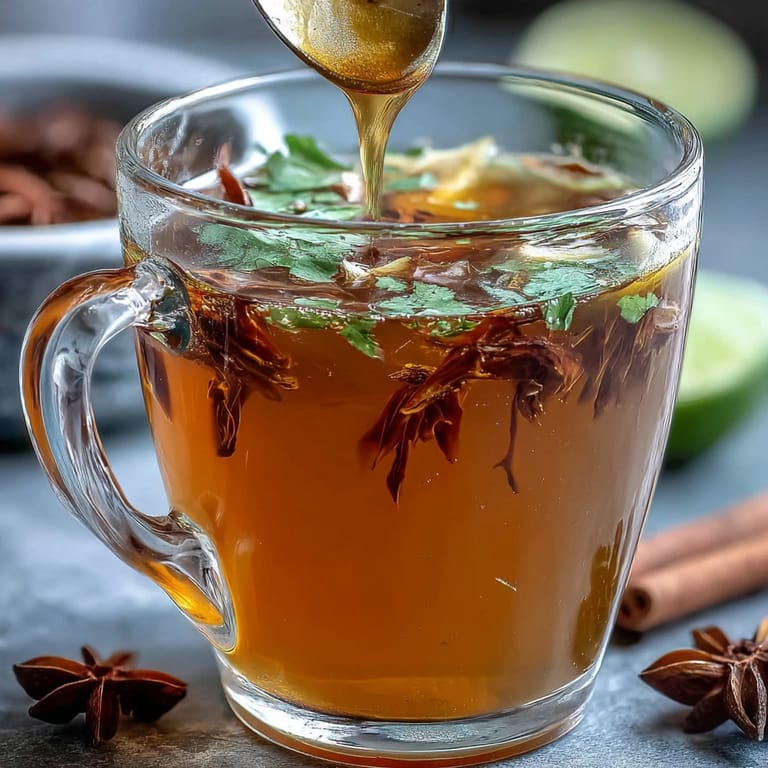
- Pour carefully through a fine mesh strainer into your favorite mug, watching the beautiful golden liquid flow. Add lemon, honey, and black pepper to taste, then take a moment to appreciate what you've created.
 Pin It
 One winter morning, I made a double batch of this tea for myself and my teenage daughter, who'd been feeling run-down and overwhelmed. We sat across from each other at the kitchen table, not talking much, just sipping slowly while the steam rose between us—and somehow that small shared ritual became the moment she finally told me what was worrying her. A cup of tea became permission for a real conversation.
Finding Your Rhythm with Roasted Roots
The first time I used fresh dandelion root instead of the dried roasted version, the tea tasted pale and slightly bitter in a way that made me understand why roasting matters so much. Now I always look for roots that have been properly dried and toasted, because that step transforms them from medicinal-tasting to genuinely delicious. The roasting brings out natural sweetness and depth that makes you want to sip slowly instead of gulp it down.
Turmeric: Fresh Versus Ground
Fresh turmeric root has a brighter, slightly citrusy quality that ground turmeric can't quite capture, but ground turmeric is more forgiving because you can measure it precisely and it won't stain your cutting board golden. I keep both on hand depending on my mood—sometimes I want the earthiness and ritual of slicing fresh root, other times I want the simplicity of a teaspoon from my spice drawer. Either way works beautifully, so choose based on what feels right that day.
Making This Tea Your Own
Once you master the basic blend, you'll start noticing other things you want to add—orange peel for brightness, cloves for depth, cardamom pods for unexpected warmth. Each addition changes the personality of the tea, and there's real joy in experimenting to find what makes your afternoon feel exactly right. The base recipe is just an invitation to start playing.
- Try adding a thin slice of orange peel during the last few minutes of simmering for a subtle citrus note that lifts everything.
- A single whole clove or three cardamom pods can transform the tea into something that tastes like a spice market in a mug.
- If you prefer sweeter tea, use maple syrup instead of honey for a deeper, more complex sweetness that doesn't disappear.
 Pin It
 This tea has become my answer to almost everything—a cold afternoon, a moment of stress, a conversation that needs space to breathe. It's simple enough to make when you're exhausted but intentional enough to feel like genuine self-care.
Recipe FAQs
- → What benefits does dandelion root offer in this blend?
Dandelion root provides a rich, earthy flavor and supports digestion and liver health, contributing to the overall soothing nature of the drink.
- → Can I substitute dried turmeric for fresh in this preparation?
Yes, dried turmeric can be used, but adjust the quantity to maintain balance in flavor and color.
- → Why add black pepper to the infusion?
Black pepper enhances turmeric’s absorption, making its beneficial compounds more bioavailable.
- → Is there a way to adjust the sweetness without altering the flavor profile much?
Honey or maple syrup can be added lightly to sweeten, complementing the natural earthiness without overpowering.
- → How long should the mixture simmer for best flavor?
Simmering for 10 to 15 minutes brings out robust flavors; extending up to 20 minutes deepens the taste further.
- → Are there ways to enhance the aroma of this herbal infusion?
Adding orange peel or whole cloves during simmering can introduce subtle aromatic notes to the brew.